
So here’s the deal: you’ve seen the word spellsword tossed around r/skyrim like everybody already knows what it means. Look, I get it. It feels like you missed class that day.
You kind of did. Oblivion and Morrowind had class systems, and Skyrim dropped them entirely. Let’s fix that right now, because this build is an absolute blast.
What a Spellsword Actually Is
Think of the spellsword as a traveler who refuses to pick a lane. You carry a one-handed weapon in your main hand and a spell in your off-hand. Simple, flexible, and ridiculously fun.
- Core Skills: One-Handed and Destruction do the heavy lifting. Your sword handles close range while your spells soften enemies up from a distance.
- Support Schools: Illusion handles crowd control, Alteration and Restoration keep you alive, and Conjuration can fill gaps early on.
- Playstyle: Buff up, pelt enemies as they close in, then charge in and finish the job with steel.
- Version Note: Everything here is vanilla Skyrim. No mods required.
Magic is your utility belt here, not your only weapon. That’s the big difference between a spellsword and a pure mage. You’re a fighter who happens to have some very nasty tricks.
How to Build Your Spellsword Step by Step
Here’s the order I’d tackle things in. Follow it and you’ll feel powerful from the first dungeon to the final dragon.
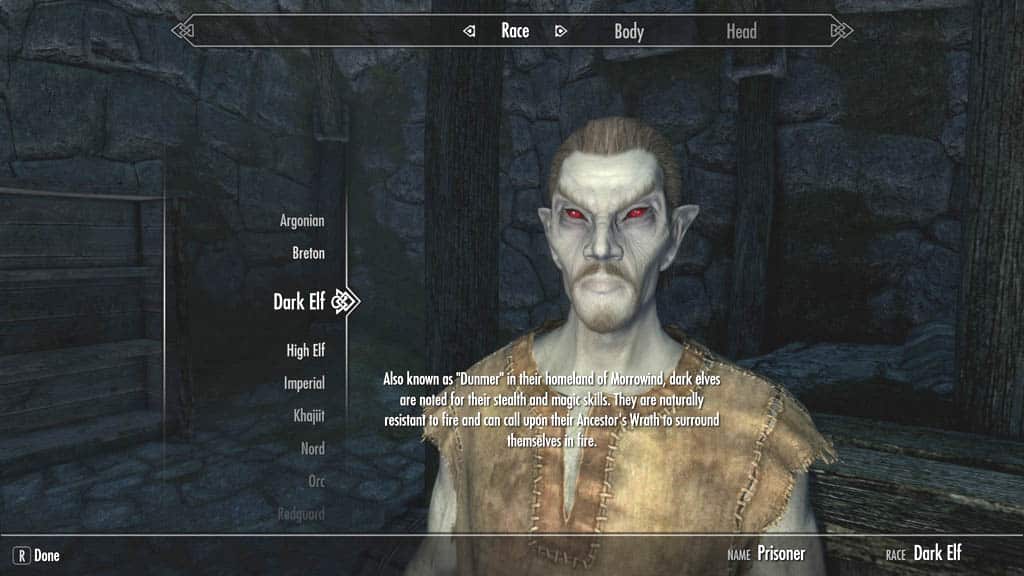
- Step 1: Pick a race that suits both sides of the build. Anyone can pull this off, so go with whatever fits your character’s story. (Pro tip: a race with a magic-friendly bonus makes the early game much smoother.)
- Step 2: Level One-Handed and Destruction first. These two skills are your bread and butter. Swing a sword, cast a flame spell, repeat until the early game stops being scary.
- Step 3: Add Alteration for defense. Cast Oakflesh before a fight to boost your armor, and pair it with Ice Cloak if you like punishing anyone who gets too close. It’s a small habit that makes a huge difference.
- Step 4: Bring in Illusion and Restoration. Illusion makes crowd control a breeze, and Restoration keeps your health bar healthy. Together they turn a messy brawl into something you control.
- Step 5: Decide what to do with Conjuration. It’s fantastic early for pulling enemy attention off you. Later, once your armor is solid, it matters much less.
- Step 6: Pick up a few Shouts. They aren’t spells, but they fit the spellsword fantasy perfectly. Think of them as free utility on a cooldown.
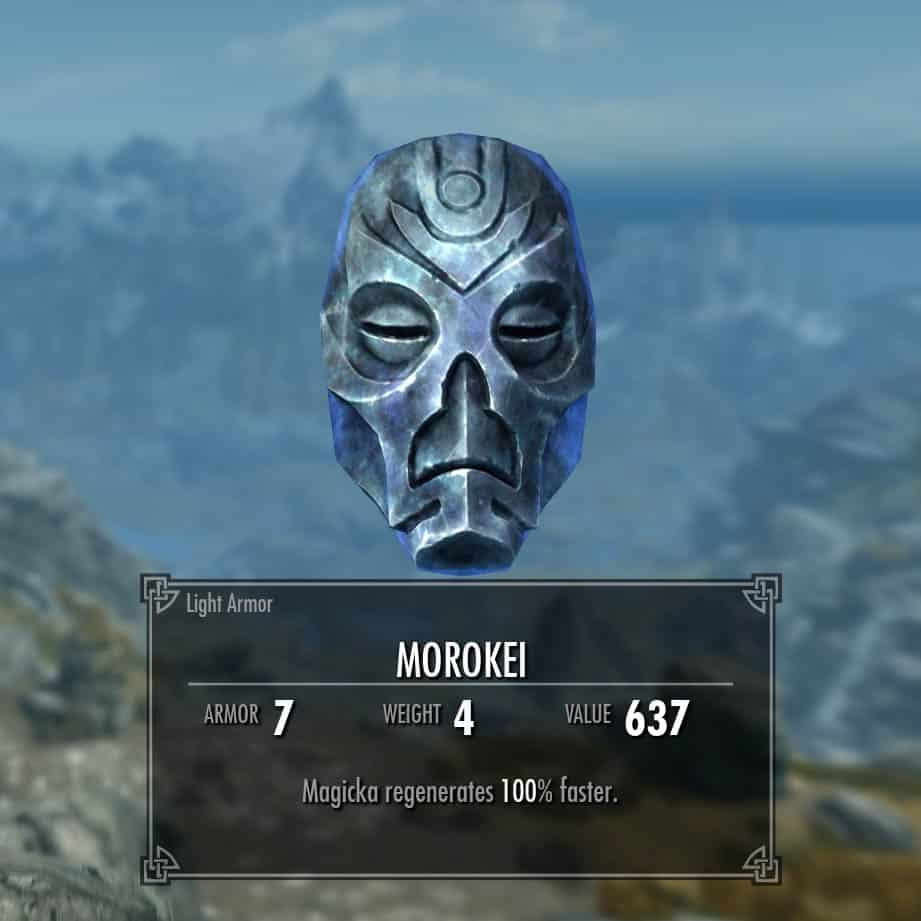
- Step 7: Gear up and enchant. Durable armor lets you wade into melee, and enchantments fill in the rest.
The Setup: Open every fight with your buffs, not your sword. Two seconds of preparation saves you a lot of potions.
Here’s Where It Gets Wild: Close the gap while your Destruction spells fly. By the time you swing your blade, the enemy is already hurting.
Watch the Armor Cap
Skyrim’s armor effectiveness tops out at 567. Anything above that does nothing, so don’t waste perks and enchantments chasing a bigger number. Once you hit the cap, put your resources elsewhere.
Here’s a catch worth knowing about. If you push for 100% spell absorption, your Conjuration spells stop working, because they get absorbed too. Pick one path and commit to it.
Two Spellsword Variants Worth Trying
When I first found these, they changed how I think about the whole archetype. Neither one leans on the usual Destruction and Conjuration combo.
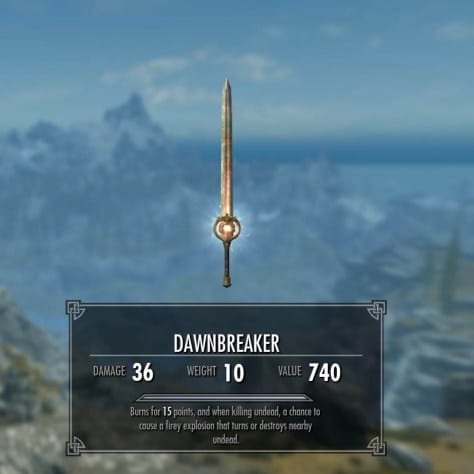
- The Simple Healer: Keep Dawnbreaker in one hand and Grand Healing in the other. Slash and stab your way through your foes, and cast the heal whenever your health gets low. It’s one of the easiest ways to play a spellsword.
- The Crusader: Combine Restoration and Illusion. Illusion is weak against undead until late in the game, but Restoration wrecks them. Restoration can’t hurt the living, but Illusion covers that gap perfectly.
Lore Deep Dive: Dawnbreaker comes from Meridia’s questline, and it’s a perfect fit for a holy warrior who hunts the undead. A blade of divine light and a Restoration spell tell a clean story: evil lurks in the shadows, and you bring the dawn. Roleplay it up. It makes every vampire crypt feel personal.
What You Get Out of This Build
- Flexibility: You have an answer for nearly every enemy. Ranged, melee, undead, or a pack of bandits, you’ve got something that works.
- Survivability: Armor, buffs, and healing stack nicely. You can take a hit and keep fighting.
- Variety: No two fights feel the same. You’ll swap spells, buffs, and tactics constantly.
- Dragon-Slaying Power: Pelt a dragon with spells while it circles, then carve it up when it lands. It never gets old.
Pro Tips
- Buff Before Combat: Cast Oakflesh or Ice Cloak before you engage. (Pro tip: don’t wait until you’re already taking damage.)
- Use Your Off-Hand Wisely: Swap between a damage spell and a heal depending on the fight. Hotkey both so you can switch instantly.
- Respect the Undead: If you lean on Illusion, expect it to struggle against draugr. Keep a damage spell or Restoration option ready.
- Don’t Overbuild Armor: Stop at the 567 cap. Extra points are wasted points.
- Pick a Conjuration Plan: Use it early to draw aggro, then drop it if you go heavy on absorption.
- Embrace the Story: Give your spellsword a personality. A crusader, a vampire hunter, a wandering wizard-knight, whatever you like.
Why This Build Matters
The Payoff: The spellsword is the build that lets Skyrim feel like a true fantasy adventure. You’re never stuck being just a warrior or just a mage. You get the best parts of both, and the freedom to tell your own story.
Absolute game-changer for anyone who gets bored easily. Start simple, experiment, and let your playstyle evolve as you level.
So what’s your take? Are you going full holy crusader with Dawnbreaker, or building a classic Destruction-and-steel battlemage? Drop your setup in the comments, because I’d love to hear how you play it.