The Beast Vivariums are the coziest corner of Hogwarts Legacy. Tucked inside the Room of Requirement, they are little habitats where the beasts you rescue live, play and, if you look after them, give you the materials you need to upgrade your gear.
This guide covers how to unlock all four vivariums, which beasts go where, how to care for them, and how breeding works. There’s no wrong way to approach this, so take it at your own pace.
How to Unlock the Vivariums
Each vivarium is tied to one of Deek’s quests. Here’s your checklist:
| Vivarium | Unlocked by | When |
|---|---|---|
| Forest | The Elf, the Nab-Sack, and the Loom | Early, with the Nab-Sack |
| Coastal | The Plight of the House-Elf (opens when you start it) | After The High Keep |
| Swamp | Foal of the Dead | Mid game; also opens the Breeding Pen spellcraft |
| Grassland (mountain) vivarium | Phoenix Rising | Late game, after Niamh Fitzgerald’s Trial |
- Capacity: each vivarium holds up to 12 beasts from up to 4 species. You cannot raise that limit, so plan which species go where.
- Moving beasts: release beasts from your Nab-Sack inside a vivarium. You can take them back into the Nab-Sack any time to move them.
- Decorating: use Conjuration to place beast items, outdoor items, building pieces and ground surfaces.
Every Beast You Can Keep
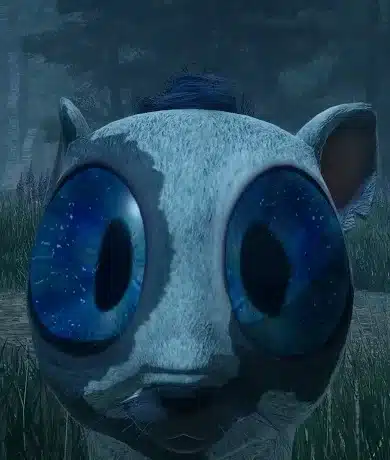
Completionists, you’ll want to know: there are 13 beast species in total. The common ones produce materials when they are happy, and every one except the Phoenix can be bred.
| Beast | Material | Where to find them |
|---|---|---|
| Puffskein | Puffskein Fur | Common; Forbidden Forest, Feldcroft, Clagmar Coast and more |
| Mooncalf | Mooncalf Fur | Forbidden Forest, Poidsear Coast; night only |
| Jobberknoll | Jobberknoll Feather | North Ford Bog, Feldcroft, Cragcroftshire |
| Fwooper | Fwooper Feather | Poidsear Coast, Clagmar Coast, Feldcroft |
| Niffler | Niffler Fur | Feldcroft, Poidsear Coast, Cragcroftshire |
| Diricawl | Diricawl Feather | Marunweem Lake, Clagmar Coast, Poidsear Coast |
| Kneazle | Kneazle Fur | Beast dens around the Highlands |
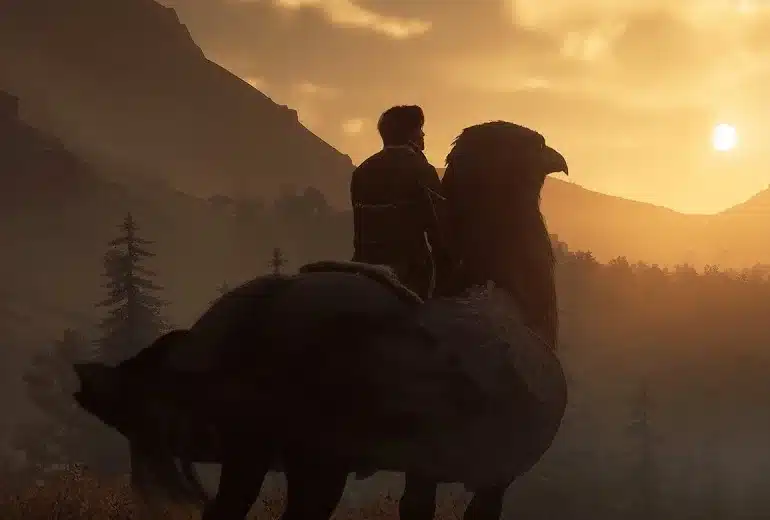
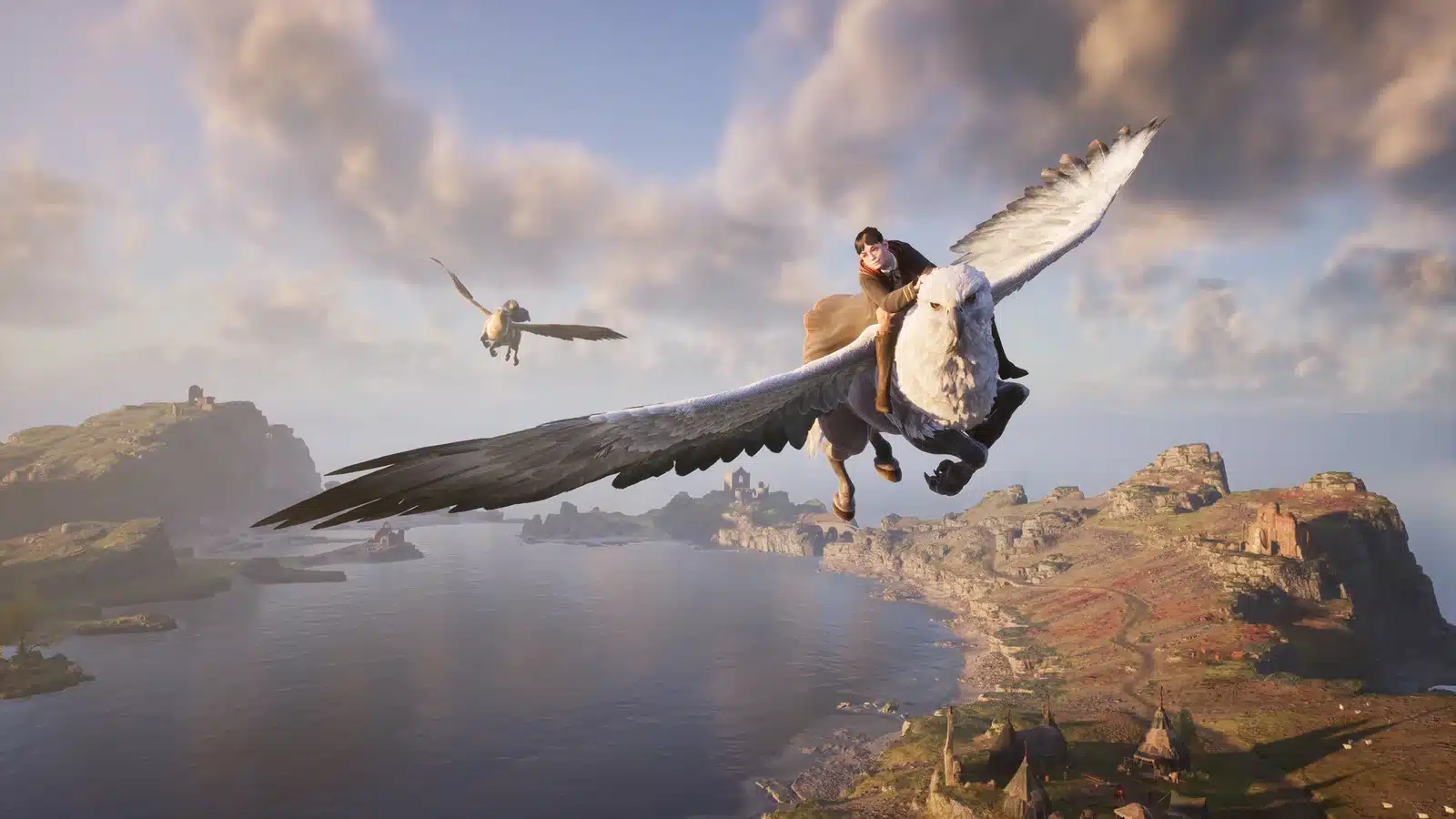
| Hippogriff | Hippogriff Feather | Beast dens around the Highlands |
| Giant Purple Toad | Toad Warts | North Ford Bog, Hogsmeade Valley, Marunweem Lake and other wetlands |
| Thestral | Thestral Hair | North Ford Bog, Marunweem Lake |
| Graphorn | Graphorn Horn | Clagmar Coast |
| Unicorn | Unicorn Hair | Forbidden Forest |
| Phoenix | Phoenix Feather | Only one, from Phoenix Rising |
Missable! Not really, but heads up: Mooncalves only come out at night. If a Mooncalf den looks empty, wait until dark and come back.
Caring for Your Beasts
A happy beast drops materials. A neglected one does not. The routine is simple:
- Feed them: use the Beast Feed tool on each beast, or conjure a Beast Feeder (8 Moonstones) so the vivarium handles it for you.
- Brush them: use the Beast Brush on each one.
- Keep them happy: feeding and brushing are the only two needs. A Beast Toybox (4 Moonstones) is a nice extra but not required.
- Collect: pick up the materials that appear around them, then come back after a while to do it again.
Those materials are what you use at the Enchanted Loom to upgrade your gear, so a busy vivarium quietly powers your whole wardrobe.
Breeding Beasts
After Foal of the Dead, you can buy the Breeding Pen spellcraft for 1,000 Galleons at Tomes and Scrolls in Hogsmeade and conjure pens inside your vivariums for 15 Moonstones each. Breed all 12 breedable species (everything but the Phoenix) for The Nature of the Beast trophy.
- Step 1: conjure a Breeding Pen in a vivarium.
- Step 2: place a male and a female of the same species inside.
- Step 3: wait about 30 minutes. A young beast appears.
- Step 4: keep it, or sell it at the Brood and Peck for 120 Galleons.
Young beasts stay young forever, but they still produce materials once you feed and pet them, so breeding is a great way to fill a vivarium with your favorite species.
Tips for a Thriving Vivarium
- Keep the busy materials covered: Mooncalf Fur, Fwooper Feathers and Jobberknoll Feathers are used for lots of gear upgrades, so keep a few of those beasts around.
- Group by biome: keep coastal birds in the Coastal vivarium and wetland creatures in the Swamp, so your four species slots per biome do not fill up awkwardly.
- Use the map: beast dens are scattered across the Highlands. Our Hogwarts Legacy interactive map makes it easy to plan a route between them.
- Rescue from poachers: poacher camps often have caged beasts waiting to be freed.
Lore Connection: this random detail actually connects to the heart of the game. Poachers working for Rookwood and Harlow are trapping beasts across the Highlands, and every creature in your vivarium is one you saved from them. It is a gentle counterpoint to the darker story, and Deek’s joy every time you bring someone home says it all. Hogwarts Legacy still has plenty of players caring for their beasts, as the live Hogwarts Legacy player count shows.
Beast Vivarium FAQ
How do you unlock more vivariums in Hogwarts Legacy?
Through Deek’s quests: the Forest from The Elf, the Nab-Sack, and the Loom, the Coastal from The Plight of the House-Elf, the Swamp from Foal of the Dead, and the last one from Phoenix Rising.
How many beasts can a vivarium hold?
Up to 12 beasts from up to 4 different species per vivarium.
How many beasts are in Hogwarts Legacy?
Thirteen species. All of them can be bred except the Phoenix, and there is only one Phoenix in the game.
Why are my beasts not dropping materials?
They need care first. Feed them, brush them and pet them, then wait a little for the materials to appear.
One more thing before you move on: it’s a marathon, not a sprint. Fill one vivarium at a time and enjoy the visits. If you are wondering what else the game has to offer, our take on whether Hogwarts Legacy is worth playing in 2026 covers the rest.