
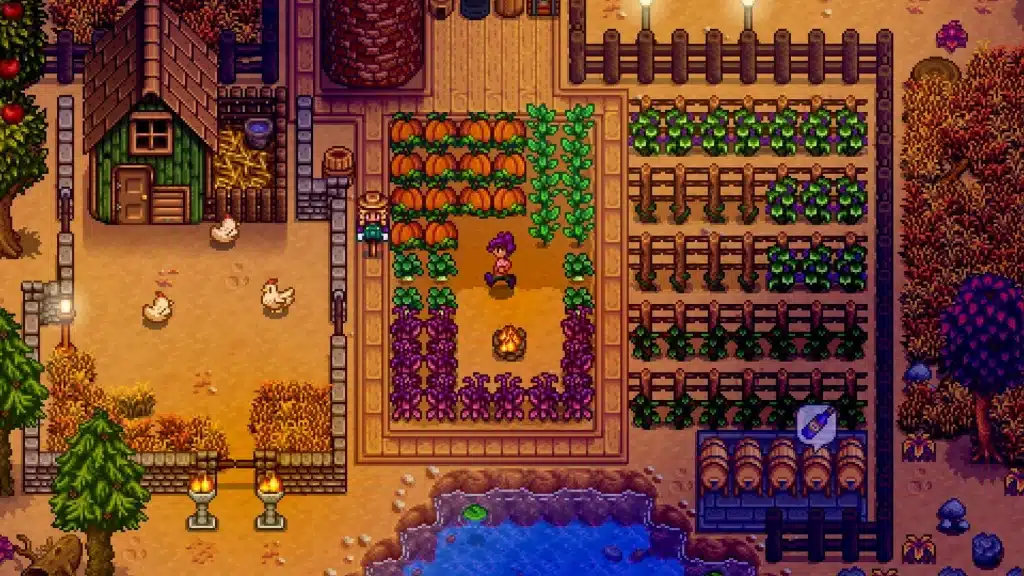
Your wallet says 500g, your watering can is judging you, and Pierre is smiling a little too wide. Welcome to your first spring in Pelican Town.
Making gold in Stardew Valley is not about one secret crop. It is about stacking income streams in the right order so every season pays for the next one. Let me break this down for you: what earns money at each stage, the numbers behind it, and the mistakes that keep farms broke.
Where the Gold Comes From
Every money plan in Stardew uses the same five engines. What changes is which one carries you at each point of the game.
- Early Crops: Spring crops sold straight away fund everything else. For the first two weeks, almost every coin goes back into seeds.
- Fishing: Free money on rainy days and between waterings. Version 1.6 added Targeted Bait from the Bait Maker, so you can fish for the species you actually want.
- Foraging: The beach and the forest hand out free items worth real gold.
- Artisan Goods: Kegs, Preserves Jars and Oil Makers multiply what your crops and animals are worth.
- Animals: Slow to start, but passive once the buildings are up.
The Math: Early on, return on investment beats total profit. A seed that pays you back in one harvest and gets replanted beats a fancy crop that ties up your gold for two weeks.
The Money Plan, Stage by Stage
Spring Year 1: Seeds and Strawberries
- Plant Everything: Fill every tile you can water with Parsnips and Potatoes, sell, and replant. Unplanted soil is wasted money.
- Green Beans: Seeds cost 60g, the beans sell for 40g, and after the first harvest they regrow every 3 days for the rest of spring.
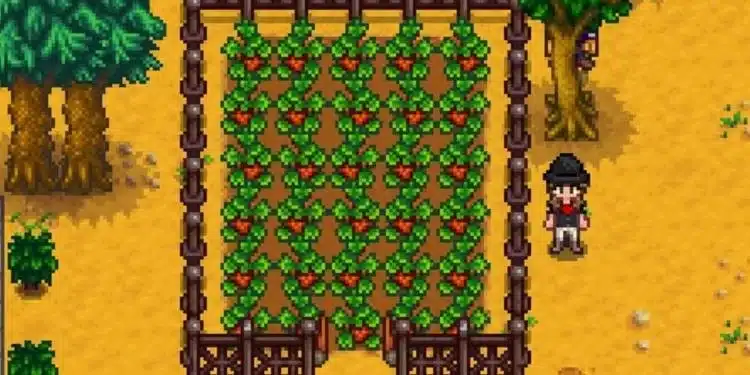
- Egg Festival: On Spring 13, Pierre’s festival stall sells Strawberry Seeds for 100g. Strawberries sell for 120g and keep regrowing, and seeds planted on day 14 still give you a couple of harvests before summer.
Between Waterings: Fish and Forage
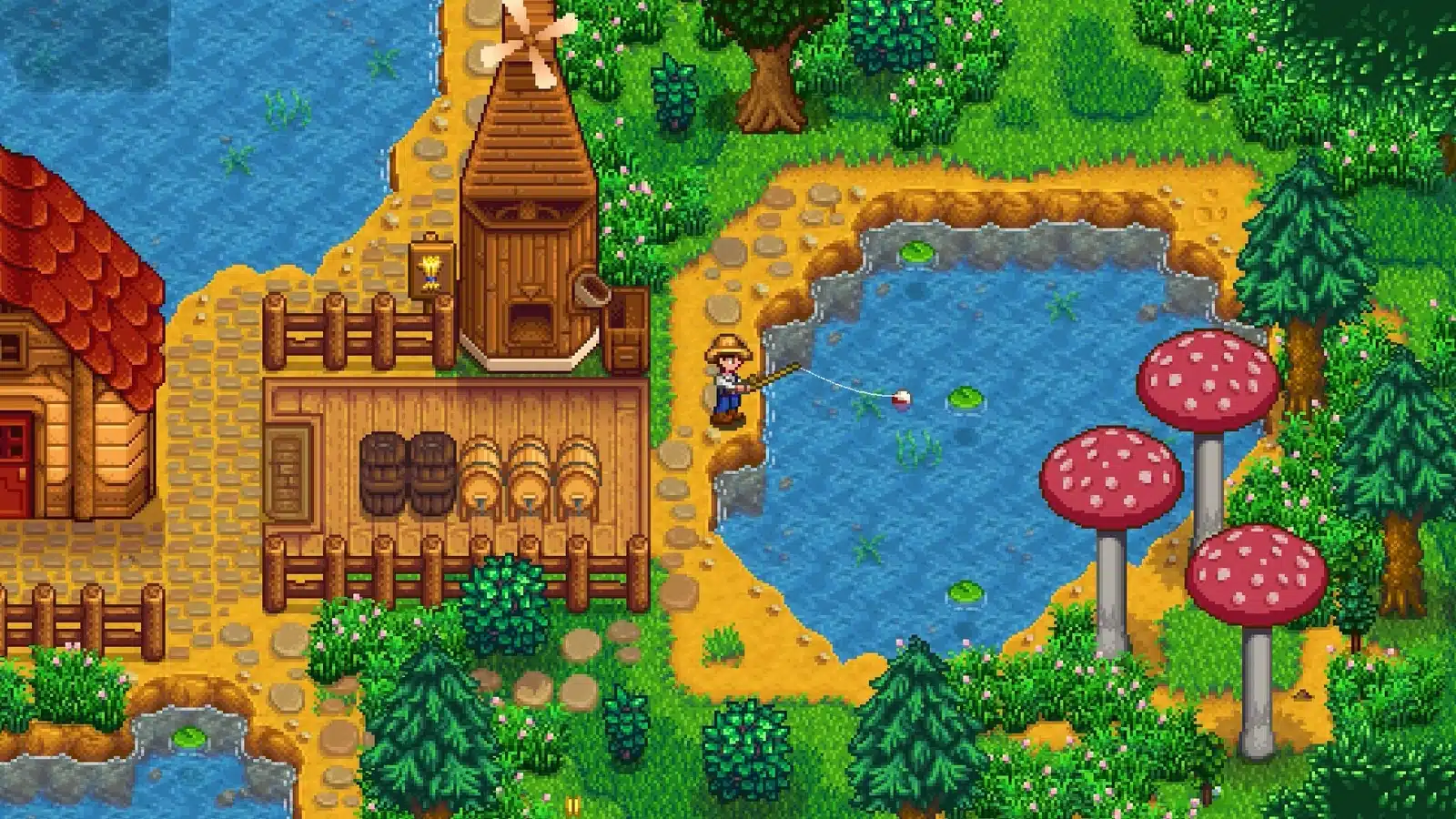
Once the crops are watered, stop standing in the field. Head to the river or the beach. A quick beach lap turns up Coral at 80g and Sea Urchins at 160g, and in summer the Rainbow Shell sells for 300g. Rainy days are free fishing days because the sky waters your crops for you.
Hot Take: Selling every fish you catch is fine early, but the Fish Smoker added in version 1.6 turns fish into Smoked Fish worth double the base price. Once you have one, raw fish becomes a waste.
Summer and Fall: Kegs
Kegs unlock at Farming level 8 and change your whole economy. Wine sells for three times the fruit’s base price, and juice for a bit over double. Fill them with your most valuable fruit first.
The underrated keg trick is coffee. Five Coffee Beans make one Coffee worth 150g, and the keg finishes it within a couple of hours, so you can run several batches a day. Beans come from the Traveling Cart or from the Dust Sprites in the mines, and they grow in spring and summer.
Year 2 and Beyond: Animals and Big Fruit
- Sheep: Wool sells for 340g raw or 470g as Cloth from a Loom. The Shepherd profession and high friendship speed up wool production.
- Pigs: A Truffle is 625g raw. An Oil Maker turns it into Truffle Oil worth 1,065g, or 1,491g with the Artisan profession. Pigs only dig outside, so winter and rain stop them.
- Starfruit and Ancient Fruit: Once the Greenhouse and the desert are open, these fruit go into kegs and become the backbone of most late game farms.
Money Sources at a Glance
| Item | Sell Value | Best Stage |
|---|---|---|
| Green Beans | 40g | Early |
| Strawberry | 120g | Early |
| Coral | 80g | Early |
| Sea Urchin | 160g | Early |
| Rainbow Shell | 300g | Early (summer) |
| Coffee from a keg | 150g | Early to mid |
| Wool / Cloth | 340g / 470g | Mid |
| Truffle | 625g | Late |
| Truffle Oil | 1,065g (1,491g with Artisan) | Late |
Money Mistakes to Avoid
- Hoarding Crops: Keep one of each crop for the Community Center bundles, then sell the rest. A chest of parsnips earns nothing.
- Empty Buildings: A barn with no animals and no machines is a very expensive shed. Buy buildings only when you can fill them.
- Dead Fields: Most crops die when the season changes. Check what you planted a few days before day 28.
- Skipping Artisan: At Farming level 10, Artisan adds 40 percent to every artisan good. It is the biggest money multiplier in the game.
- Raw Selling Forever: If you have spare fruit and no kegs, the problem is not the fruit.
Actually Do This: Every night, check tomorrow’s earnings in your head. If you can afford more seeds today, buy them. If you can afford a keg instead of a decoration, buy the keg.
Stardew’s economy has kept people farming for years, and you can see how many are playing right now on our Stardew Valley Steam charts and player count page.
Stardew Valley Money FAQ
What is the fastest way to make money early in Stardew Valley?
Plant every tile with spring crops, sell and replant, buy Strawberry Seeds at the Egg Festival, and fish or forage once your crops are watered.
What is the most profitable crop?
Ancient Fruit and Starfruit turned into wine are the top earners, especially in the Greenhouse or on Ginger Island.
Are kegs or preserves jars better?
Kegs for high value fruit, because wine triples the base price. Preserves Jars are better for cheap fruit and vegetables.
When do I get kegs?
The Keg recipe unlocks at Farming level 8.
The Math Doesn’t Lie: crops fund kegs, kegs fund barns, barns fund everything else. Plant every open tile tonight, plan a beach run for tomorrow and let the compounding do the rest. Spoiler: it is not even close to the parsnip hoarding plan.